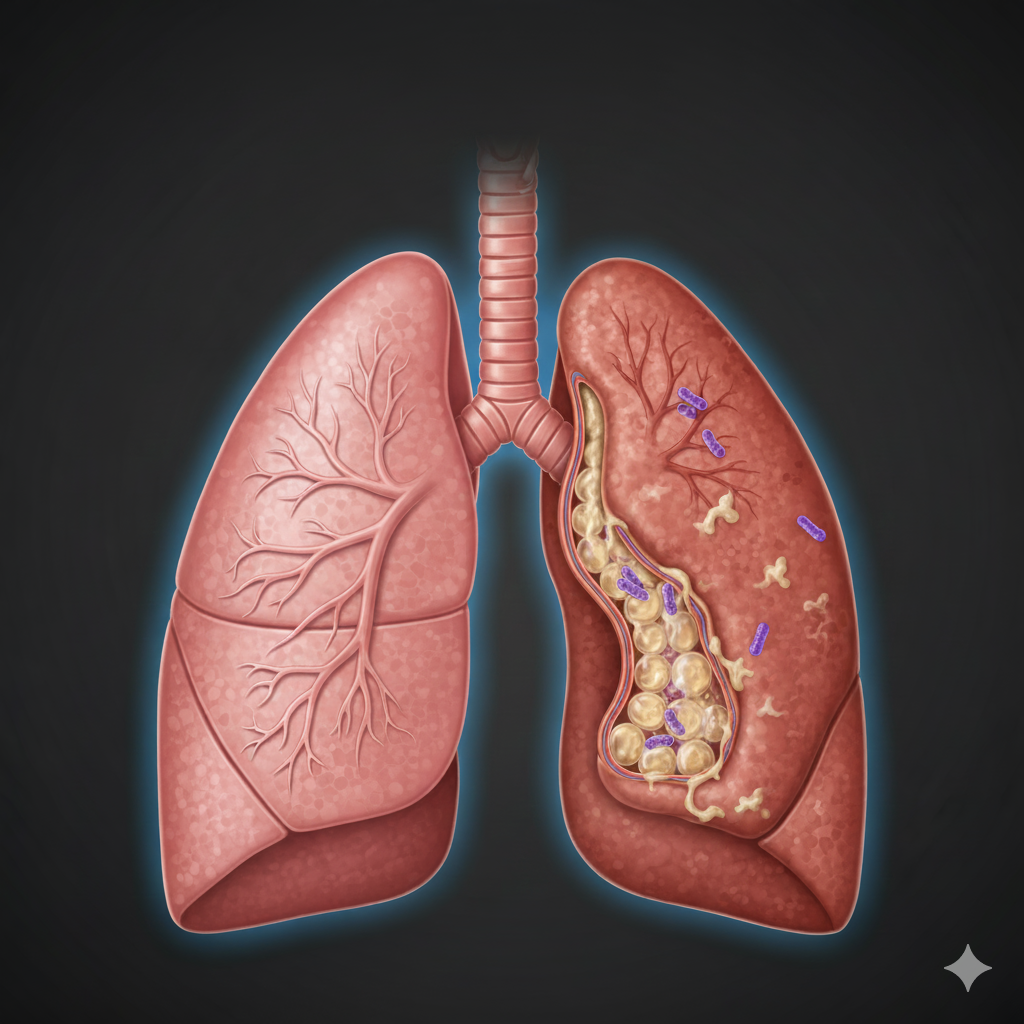
What is Pneumonia?
Pneumonia is a serious and potentially life-threatening infection that inflames the air sacs in the lungs, known as alveoli. It occurs when a pathogen, such as a bacterium, virus, or fungus, infects the lungs, causing inflammation and damage to the delicate tissues. This leads to various symptoms, including coughing, difficulty breathing, chest pain, and fever.
What Are The Types of Pneumonia?
Several types of pneumonia are classified based on the cause, location, and severity of the infection. Here are some of the main types of pneumonia:
-
Bacterial pneumonia: caused by bacteria, such as Streptococcus pneumoniae, Haemophilus influenzae, or Klebsiella pneumoniae.
-
Viral Pneumonia: Caused by viruses, such as influenza or COVID-19.
-
Fungal Pneumonia: Caused by fungi, such as Pneumocystis jirovecii.
-
Community-acquired pneumonia (CAP): Occurs outside of hospitals.
-
Hospital-Acquired Pneumonia (HAP): Develops in hospitalized patients.
-
Aspiration Pneumonia: Caused by inhaling food, liquids, or other substances.
-
Ventilator-associated pneumonia (VAP): Occurs in patients on mechanical ventilators.
-
Atypical Pneumonia: Caused by unusual pathogens, such as Mycoplasma pneumoniae.
What Are The Potential Causes of Pneumonia?
Pneumonia can be caused by a variety of factors, including:
Infectious Agents
-
Bacteria: Streptococcus pneumoniae, Haemophilus influenzae, Klebsiella pneumoniae, and others.
-
Viruses: Influenza, respiratory syncytial virus (RSV), coronavirus, and others.
-
Fungi: Pneumocystis jirovecii, Histoplasma capsulatum, and others.
-
Parasites: Rarely, pneumonia can be caused by parasites such as Plasmodium falciparum (malaria).
Non-Infectious Agents
-
Inhaling foreign substances: Aspiration of food, liquids, or other substances into the lungs.
-
Chemicals: Inhalation of toxic chemicals, such as pesticides or industrial chemicals.
-
Radiation: Radiation exposure, such as from chemotherapy or radiation therapy.
Underlying Medical Conditions
-
Chronic obstructive pulmonary disease (COPD)
-
Heart disease
-
Diabetes
-
Weakened immune system (e.g., HIV/AIDS, cancer)
-
Lung disease (e.g., cystic fibrosis, bronchiectasis)
Other Risk Factors
-
Age: Older adults and young children are more susceptible to pneumonia.
-
Smoking: Smoking damages the lungs and increases the risk of pneumonia.
-
Malnutrition: Poor nutrition can weaken the immune system and increase the risk of pneumonia.
-
Poor hygiene: Not practicing good hygiene, such as washing hands regularly, can increase the risk of pneumonia.
What Are The Clinical Features of Pneumonia?
The clinical features of pneumonia are as follows:
Typical Symptoms
-
A cough is the most common symptom of pneumonia, and it may produce yellow or green mucus.
-
A high fever, usually above 102°F (39°C), can occur in pneumonia.
-
Chills or rigors may occur, especially in bacterial pneumonia.
-
Difficulty breathing or feeling winded even when sitting still.
-
Sharp or stabbing chest pain that worsens with deep breathing or coughing.
-
Feeling extremely tired or weak.
-
Excessive sweating can occur, especially in bacterial pneumonia.
Additional Symptoms
-
A headache can occur due to an infection or fever.
-
Confusion or disorientation may occur in older adults or people with severe pneumonia.
-
Some people may experience nausea and vomiting, especially if they have a fever or are taking antibiotics.
-
Diarrhea can occur, especially in viral pneumonia.
-
Muscle aches or pains can occur, especially in viral pneumonia.
Severe Symptoms
-
Inability to breathe or feeling like you're choking.
-
Severe chest pain or pressure that worsens with deep breathing or coughing.
-
Severe confusion or disorientation, especially in older adults.
-
Seizures can occur in severe cases of pneumonia, especially in people with a history of seizure disorders.
How is Pneumonia Diagnosed?
Here are the steps involved in diagnosing pneumonia:
Initial Consultation
-
Medical history: The healthcare provider will ask questions about symptoms, medical history, and lifestyle to help determine the cause of pneumonia.
-
Physical examination: A healthcare provider will perform a physical examination to check for signs of pneumonia, such as increased respiratory rate, dullness to percussion, and abnormal lung sounds.
Laboratory Tests
-
Complete Blood Count (CBC): A CBC test can help identify signs of infection, such as an elevated white blood cell count.
-
Blood cultures: Blood cultures can help identify the bacteria causing pneumonia.
-
Sputum analysis: Sputum analysis can help identify the type of bacteria or virus causing pneumonia.
-
Pleural fluid analysis: A sample may be analyzed if fluid is in the pleural space.
Imaging Studies
-
Chest X-ray: A chest X-ray is often the first imaging test to diagnose pneumonia. It can help identify areas of lung inflammation.
-
Computed Tomography (CT) scan: A CT scan can provide more detailed images of the lungs and help identify complications, such as abscesses or empyema.
-
Magnetic Resonance Imaging (MRI): An MRI may be used in some cases to help diagnose pneumonia, especially in people with underlying medical conditions.
Other Tests
-
Pulse oximetry: Pulse oximetry can help measure oxygen levels in the blood.
-
Arterial blood gas (ABG) analysis: ABG analysis can help measure blood oxygen and carbon dioxide levels.
-
Influenza testing: Influenza testing can help diagnose pneumonia caused by the flu virus.
How is Pneumonia Treated?
Pneumonia treatment depends on the severity of the infection, the type of pathogen causing it, and the individual's overall health. Here are the common treatment options for pneumonia:
General Measures
-
Rest and hydration: Getting plenty of rest and staying hydrated can help the body recover from pneumonia.
-
Pain management: Over-the-counter pain medications, such as acetaminophen or ibuprofen, can help relieve headaches, fever, and body aches.
-
Cough suppression: Cough medicines can help relieve coughing, but they should be used cautiously, as coughing can help clear mucus from the lungs.
Prescription Medications
-
Antibiotics: Antibiotics are the primary treatment for bacterial pneumonia. Antibiotic treatment's type and duration depend on the infection's severity and the type of bacteria causing it.
-
Antivirals: Antiviral medications, such as oseltamivir (Tamiflu), may be prescribed for certain types of viral pneumonia, such as influenza.
Supportive Care
-
Oxygen therapy: Oxygen therapy may be necessary to help increase oxygen levels in the blood.
-
Mechanical ventilation: In severe cases of pneumonia, mechanical ventilation may be necessary to support breathing.
-
Fluid management: Intravenous fluids may be administered to help manage dehydration and electrolyte imbalances.
Hospitalization
-
Hospitalization may be necessary for severe cases of pneumonia, especially for older adults, young children, or people with underlying medical conditions.
-
In severe cases, admission to the ICU may be necessary to provide close monitoring and supportive care.
Can Pneumonia Be Prevented?
Yes, pneumonia can be prevented through:
-
Vaccination (flu, pneumococcal)
-
Good hygiene (handwashing, avoiding close contact with sick individuals)
-
Avoiding smoking and secondhand smoke
-
Practicing safe food and water handling
-
Managing underlying medical conditions (e.g., diabetes, heart disease)
-
Getting enough rest and staying physically active
-
Avoiding close contact with people who have pneumonia
In conclusion, pneumonia is a serious and potentially life-threatening infection that requires prompt medical attention. Understanding the causes, symptoms, and treatment options is crucial for effective management. Individuals can reduce their risk of developing pneumonia by taking preventive measures, such as vaccination and good hygiene. Early diagnosis and treatment can significantly improve outcomes, emphasizing the importance of seeking medical care at the first sign of symptoms.
References
Medical Disclaimer
The information provided in this article is for educational and informational purposes only. It is not intended as medical advice and should not be used to diagnose, treat, cure, or prevent any medical condition. Always consult with a qualified healthcare professional before making decisions about your health or treatment.