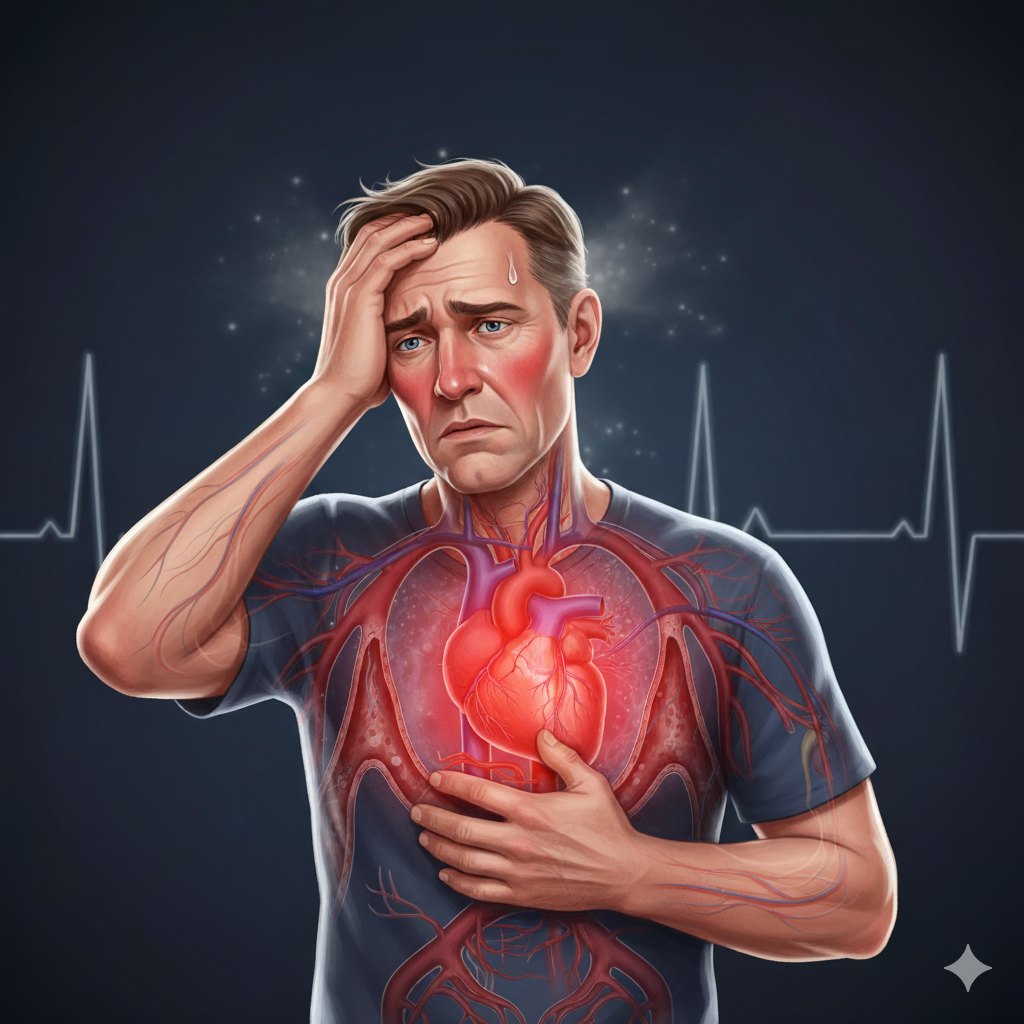
What is Hypertension?
Hypertension, also known as high blood pressure, is a medical condition characterized by consistently elevated blood pressure levels in the arteries. According to the American Heart Association, hypertension is defined as a systolic blood pressure (top number) of 130 mmHg or higher or a diastolic blood pressure (bottom number) of 80 mmHg or higher. Normally, blood pressure ranges from 90/60 mmHg to 120/80 mmHg. Prolonged hypertension can strain the heart, damage blood vessels, and increase the risk of serious health complications, including heart disease, stroke, kidney disease, and cognitive decline.
Types of Hypertension
There are two main types of hypertension:
-
Primary (Essential) Hypertension: Accounts for 90-95% of cases.
-
Develops gradually over time.
-
No identifiable cause.
-
Often associated with lifestyle, genetics, and environmental factors.
-
Secondary Hypertension: Accounts for 5-10% of cases.
-
Results from an underlying medical condition or medication.
-
Identifiable causes include:
-
Kidney disease.
-
Adrenal gland disorders.
-
Thyroid issues.
-
Sleep apnea. Pregnancy-related
-
Certain medications.
-
Other Types
-
Nocturnal Hypertension: Your blood pressure is elevated when you sleep.
-
White Coat Hypertension: Your BP is normal at home but elevated in a healthcare setting
-
Masked Hypertension: Your BP is normal in a healthcare setting but elevated at home
What Can Cause Hypertension?
Here are some of the common causes that can lead to hypertension:
Primary (Essential) Hypertension Causes
-
Genetics: Family history
-
Age: Increases after 40
-
Obesity: Excess weight
-
Physical inactivity: Sedentary lifestyle
-
Smoking: Tobacco use
-
Stress: Chronic stress
-
Sleep deprivation: Poor sleep quality
-
Diet: High sodium, sugar, and saturated fats
-
Alcohol consumption: Excessive drinking
Secondary Hypertension Causes
-
Kidney disease: Kidney damage or failure
-
Adrenal gland disorders: Aldosteronism, Cushing's syndrome
-
Thyroid issues: Hyperthyroidism, hypothyroidism
-
Sleep apnea: Pauses in breathing during sleep
-
Pregnancy-related: Preeclampsia, gestational hypertension
-
Certain medications:
-
Birth control pills
-
Decongestants
-
Steroids
-
NSAIDs
-
Hormonal imbalances: Estrogen, testosterone
-
Coarctation of the aorta: Narrowing of the aorta
-
Renal artery stenosis: Narrowing of kidney arteries
Other Factors
-
Environmental toxins: Lead, mercury
-
Chronic inflammation: Arthritis, diabetes
-
Mental health: Anxiety, depression
-
Social determinants: Low socioeconomic status, lack of access to healthcare
What Are the Symptoms of Hypertension?
Hypertension often has no noticeable symptoms, earning it the nickname "silent killer." However, as blood pressure increases, some individuals may experience:
Common Symptoms
-
Headaches
-
Dizziness or lightheadedness
-
Nosebleeds
-
Fatigue or weakness
-
Confusion or disorientation
-
Chest pain or discomfort
-
Shortness of breath
-
Palpitations or irregular heartbeat
-
Vision problems (blurred, double, or loss of vision)
-
Blood spots in the eyes
Severe Hypertension Symptoms
-
Severe headache
-
Confusion or altered mental state
-
Seizures
-
Chest pain or heart attack
-
Stroke or TIA (mini-stroke)
-
Sudden vision loss
-
Sudden weakness or numbness in the face, arm, or leg
-
Difficulty speaking or swallowing
-
Severe anxiety or panic
-
Pale or cool skin
Long-Term Complications
-
Heart failure
-
Coronary artery disease
-
Stroke
-
Kidney disease or failure
-
Vision loss or blindness
-
Cognitive decline or dementia
-
Peripheral artery disease
-
Aneurysms
How is Hypertension Diagnosed?
Diagnosing hypertension typically involves the following:
Physical Examination
-
Blood pressure measurement: Using a sphygmomanometer (blood pressure cuff)
-
Medical history: Reviewing past medical conditions, medications, and lifestyle
-
Physical assessment: Checking for signs of organ damage (e.g., heart, kidneys)
Diagnostic Tests
-
Blood pressure monitoring: 24-hour ambulatory or home monitoring
-
Urine tests: Checking for protein, blood, or kidney damage
-
Blood tests: Evaluating electrolytes, kidney function, and glucose levels
-
Electrocardiogram (ECG or EKG): Assessing heart rhythm and structure
-
Echocardiogram: Evaluating heart function and structure
-
Imaging tests (optional): Ultrasound, CT, or MRI scans to assess organ damage
How Is Hypertension Treated?
Treatment for hypertension typically involves a combination of lifestyle modifications and medications.
Lifestyle Modifications
-
Dietary changes: Follow the DASH (Dietary Approaches to Stop Hypertension) diet. Consume fresh fruits, vegetables, whole grains, and lean protein. Avoid processed foods and sugar intake.
-
Sodium reduction: Limit intake to <2,300 mg/day
-
Increased potassium intake: Fruits, vegetables, and low-fat dairy
-
Weight loss: Aim for BMI <25
-
Regular exercise: Aerobic, strength training, and stress-reducing activities
-
Stress management: Meditation, yoga, or deep breathing
-
Sleep hygiene: 7-8 hours/night
-
Smoking cessation
-
Limited alcohol consumption
Medications
-
Diuretics: Remove excess fluid and sodium
-
ACE inhibitors: Relax blood vessels
-
ARBs (Angiotensin Receptor Blockers): Relax blood vessels
-
Calcium channel blockers: Relax blood vessels
-
Beta-blockers: Slow heart rate
-
Alpha-blockers: Relax blood vessels
Additional Therapies
-
Aldosterone antagonists: Reduce fluid retention
-
Direct renin inhibitors: Block renin-angiotensin system
-
Vasodilators: Relax blood vessels
Can Hypertension Be Prevented?
Yes, hypertension can be prevented or delayed through lifestyle modifications and managing underlying risk factors.
Lifestyle Modifications
-
Regular physical activity: 150 minutes/week of moderate-intensity exercise
-
Balanced diet: Focus on whole, unprocessed foods (DASH diet)
-
Healthy weight maintenance: BMI <25
-
Stress management
-
Adequate sleep
-
Limited alcohol consumption
Risk Factor Management
-
Monitor blood pressure regularly
-
Manage diabetes
-
Control cholesterol levels
-
Maintain kidney health
-
Manage stress
Will Hypertension Last Forever?
Hypertension can be managed but not necessarily cured. With proper treatment and lifestyle modifications, individuals with hypertension can achieve blood pressure control and reduce their risk of complications. However, hypertension is often a lifelong condition, and ongoing monitoring and management are crucial to prevent damage to organs such as the heart, kidneys, and brain. While some individuals may experience a reversal of hypertension through significant weight loss, increased physical activity, or stress reduction, this is not common. By adopting a proactive approach, individuals with hypertension can mitigate its impact and live a long, healthy life, but it's unlikely that hypertension will completely disappear forever.
Takeaway
Hypertension is a potentially life-threatening condition that demands attention and action. As a leading cause of cardiovascular disease, stroke, and kidney disease, hypertension affects millions worldwide, often silently and without noticeable symptoms. However, by understanding its causes, recognizing its symptoms, and adopting proactive lifestyle modifications and treatment strategies, you can effectively manage hypertension and reduce your risk of complications. Early detection, regular monitoring, and adherence to treatment plans are crucial in preventing long-term damage. By prioritizing cardiovascular health and taking control of hypertension, you can significantly improve your quality of life, increase life expectancy, and reduce the economic burden on healthcare systems. A comprehensive approach to hypertension management requires a collaborative effort between healthcare professionals, individuals, and communities to promote awareness, education, and prevention.
References
Medical Disclaimer
The information provided in this article is for educational and informational purposes only. It is not intended as medical advice and should not be used to diagnose, treat, cure, or prevent any medical condition. Always consult with a qualified healthcare professional before making decisions about your health or treatment.