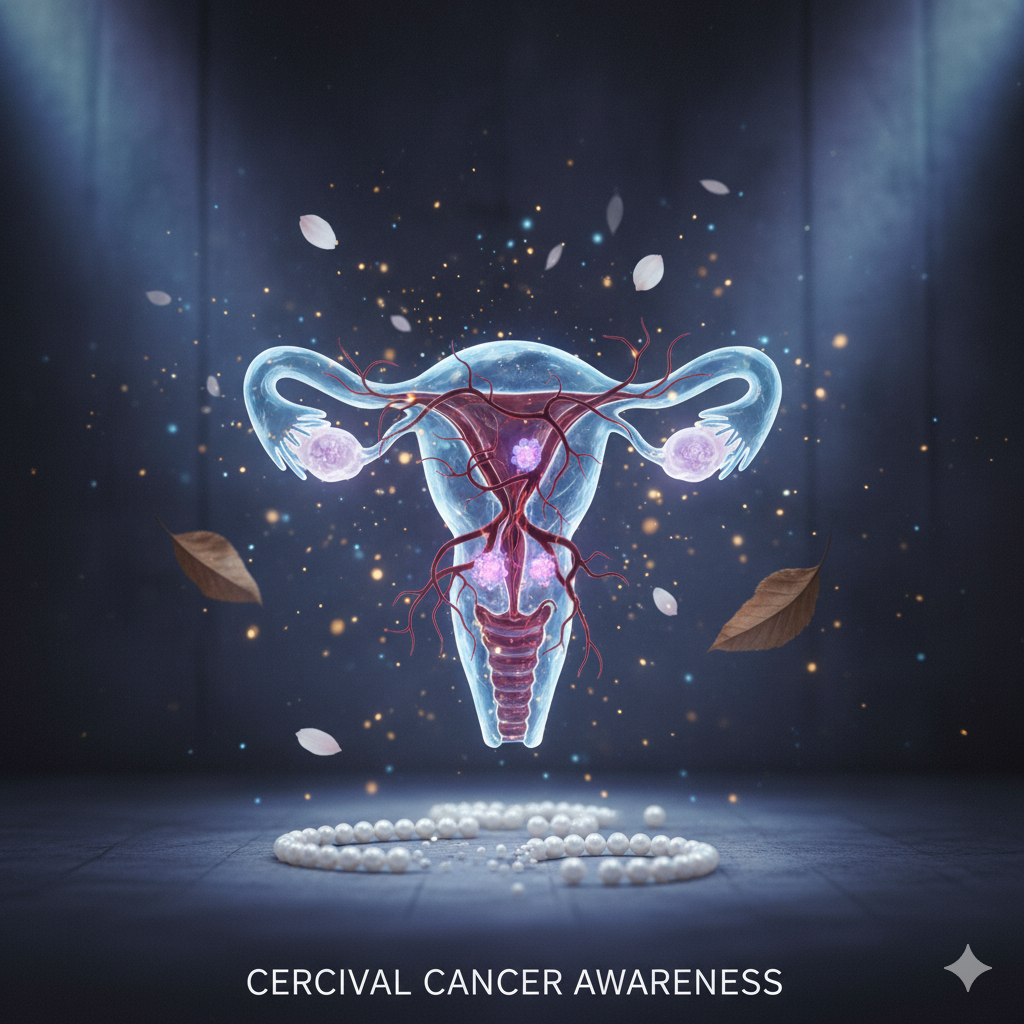
What is Cervical Cancer?
Cervical cancer is a type of malignancy that originates in the cervix (the lower part of the uterus that connects to the vagina). It occurs when abnormal cells on the cervix grow and multiply uncontrollably, invading surrounding tissues and potentially spreading to other body parts. Cervical cancer typically develops slowly over time, often beginning as precancerous changes in the cervical cells, known as dysplasia, before progressing to invasive cancer.
What Are the Types and Stages of Cervical Cancer?
Here are the types and stages of cervical cancer:
Types of Cervical Cancer
-
Squamous Cell Carcinoma (SCC): Originates in the squamous cells covering the cervix (70-80% of cases).
-
Adenocarcinoma: Originates in the epithelial cells of the cervix (20-30% of cases).
-
Adenosquamous Carcinoma: Combination of SCC and adenocarcinoma.
-
Small Cell Carcinoma: Aggressive, fast-growing type of cervical cancer.
-
Other rare types are glassy cell carcinoma, mucoepidermoid carcinoma, and papillary serous carcinoma.
Stages of Cervical Cancer
Stage I: Cancer confined to the cervix
-
Stage IA: Cancer only in cervical cells.
-
Stage IB: Cancer invades cervical tissue.
Stage II: Cancer spreads beyond the cervix but within the pelvis
-
Stage IIA: Cancer spreads to the vagina.
-
Stage IIB: Cancer spreads to the parametria.
Stage III: Cancer spreads to the pelvic wall or lower third of the vagina
-
Stage IIIA: Cancer spreads to the lower third of the vagina.
-
Stage IIIB: Cancer spreads to the pelvic wall.
Stage IV: Cancer spreads to distant organs
-
Stage IVA: Cancer spreads to the bladder or rectum.
-
Stage IVB: Cancer spreads to distant organs (e.g., lungs, liver).
What Causes Cervical Cancer?
Cervical cancer is primarily caused by the Human Papillomavirus (HPV). Furthermore, certain risk factors can increase the likelihood of developing cervical cancer. These include:
-
Genetic predisposition
-
Early sexual activity (before 18 years)
-
Multiple sexual partners
-
History of sexually transmitted infections (STIs)
-
Weakened immune system (HIV/AIDS, organ transplant)
-
Smoking and secondhand smoke
-
Family history of cervical cancer
-
Previous cervical cancer or precancerous lesions
-
Inadequate cervical cancer screening
-
Certain contraceptive methods (long-term hormonal birth control)
-
Poor diet and lack of physical activity
-
Age (peak incidence between 35-55 years)
-
Exposure to diethylstilbestrol (DES) in utero
-
Radiation therapy to the pelvis
-
Cervical trauma or injury
What Are the Symptoms of Cervical Cancer?
Symptoms of cervical cancer can vary depending on the stage and severity of the disease. Here are the common symptoms:
Early-Stage Symptoms (Stages I-II)
Abnormal vaginal bleeding
-
Between menstrual periods
-
After intercourse
-
After menopause
-
Heavy or prolonged menstrual bleeding
Unusual vaginal discharge
-
Thick, foul-smelling, or bloody
-
Increased amount
Pelvic pain or discomfort
-
Lower abdominal pain
-
Pain during intercourse
Abnormal Pap test results
Advanced-Stage Symptoms (Stages III-IV)
Increased vaginal bleeding
-
Heavy bleeding
-
Constant spotting
Pelvic pain or pressure
-
Severe abdominal pain
-
Pain radiating to legs or back
Urinary symptoms
-
Frequent urination
-
Blood in urine
-
Difficulty urinating
Bowel symptoms
-
Diarrhea
-
Constipation
-
Blood in stool
Weight loss
Fatigue
Loss of appetite
Swelling in legs or ankles
Other Symptoms
-
Back pain
-
Leg pain
-
Difficulty walking
-
Abdominal swelling
-
Fever
-
Weakness
Symptoms of Metastasis (Cancer Spread)
-
Coughing or difficulty breathing (lung metastasis)
-
Abdominal pain or swelling (liver metastasis)
-
Bone pain or weakness (bone metastasis)
-
Neurological symptoms (brain or spinal cord metastasis)
How is Cervical Cancer Diagnosed?
Cervical cancer is diagnosed through a combination of the following methods:
Physical Examination
-
Pelvic Examination: Manual examination of the cervix, vagina, and uterus.
-
Cervical Inspection: Visual examination of the cervix.
Screening Tests
-
Pap Test (Pap Smear): Examines cervical cells for abnormal changes.
-
Human Papillomavirus (HPV) Test: Detects high-risk HPV types that can cause cervical cancer.
Diagnostic Tests
-
Colposcopy: Visual examination of the cervix with a specialized microscope.
-
Biopsy: Removal of cervical tissue for laboratory analysis.
-
Endocervical Curettage (ECC): Scraping of cervical lining for cell analysis.
-
Imaging Tests (CT, MRI, PET): Evaluate cancer spread.
Staging Tests
-
Cone Biopsy: Removes a cone-shaped sample of cervical tissue.
-
Lymph Node Biopsy: Examines lymph nodes for cancer spread.
-
Chest X-ray: Evaluates lung metastasis.
Laboratory Tests
-
Histopathology: Examines biopsy tissue for cancer cells.
-
Molecular Testing: Identifies specific genetic mutations.
How is Cervical Cancer Treated?
Here's an elaboration of the treatment options for cervical cancer according to stages:
Stage I (Cancer confined to the cervix)
Surgery
·
-
Hysterectomy (removal of uterus and cervix)
-
Radical trachelectomy (removal of the cervix, upper vagina, and surrounding tissue)
-
Cone biopsy or LEEP (loop electrosurgical excision procedure)
Radiation Therapy
·
-
External Beam Radiation Therapy (EBRT)
-
Brachytherapy (internal radiation)
Chemotherapy
·
-
Cisplatin-based combinations (optional)
-
Fertility-Sparing Treatments:
-
Radical trachelectomy
-
Cervical conization
Stage II (Cancer spreads to the vagina or parametria)
Surgery
·
-
Radical hysterectomy
-
Pelvic lymphadenectomy (removal of lymph nodes)
Radiation Therapy
·
-
EBRT + brachytherapy
Chemotherapy·
-
Cisplatin-based combinations
Combination Therapy
·
-
Surgery + Radiation
-
Radiation + chemotherapy
Stage III (Cancer spreads to the pelvic wall or lower third of the vagina)
Radiation Therapy
·
-
EBRT + brachytherapy
Chemotherapy
·
-
Cisplatin-based combinations
-
Paclitaxel + carboplatin
Combination Therapy
·
-
Radiation + chemotherapy
Palliative Care
·
-
Symptom management
-
Pain relief
Stage IV (Cancer spreads to distant organs)
Palliative Care
·
-
Symptom management
-
Pain relief
Chemotherapy
·
-
Cisplatin-based combinations
-
Paclitaxel + carboplatin
Immunotherapy
·
-
Pembrolizumab (Keytruda)
-
Nivolumab (Opdivo)
Clinical Trials
·
-
Investigational treatments
-
Experimental therapies
How Can You Prevent Cervical Cancer?
Here's a concise list of cervical cancer prevention:
Primary Prevention
-
HPV vaccination (Gardasil, Cervarix)
-
Practice safe sex (condom use)
-
Limit sexual partners
-
Avoid early sexual activity (before 18)
Secondary Prevention
-
Regular cervical cancer screening (Pap test, HPV test)
-
Follow recommended screening guidelines
Lifestyle Changes
-
Quit smoking
-
Maintain healthy weight
-
Exercise regularly
-
Balanced diet
Additional Measures
-
Get tested for HPV
-
Use condoms consistently
-
Avoid sexual contact with someone who has HPV
Recommended Screening Guidelines
-
Ages 21-29: Pap test every three years
-
Ages 30-65: Pap and HPV test every five years
Vaccination Recommendations
-
Girls aged 11-12
-
Boys aged 11-12
-
Women up to age 26
-
Men up to age 21
Conclusion
Cervical cancer is a preventable and treatable disease, yet it remains a significant global health concern, affecting millions of women worldwide. Through education, vaccination, and regular screening, the risk of cervical cancer can be dramatically reduced. The HPV vaccine and Pap testing have proven to be effective tools in preventing and detecting cervical cancer. Early detection and treatment can improve survival rates and quality of life. By prioritizing cervical health, promoting awareness, and increasing access to healthcare services, we can reduce the burden of cervical cancer and save lives.
References
Medical Disclaimer
The information provided in this article is for educational and informational purposes only. It is not intended as medical advice and should not be used to diagnose, treat, cure, or prevent any medical condition. Always consult with a qualified healthcare professional before making decisions about your health or treatment.