A Comprehensive Guide to Acne
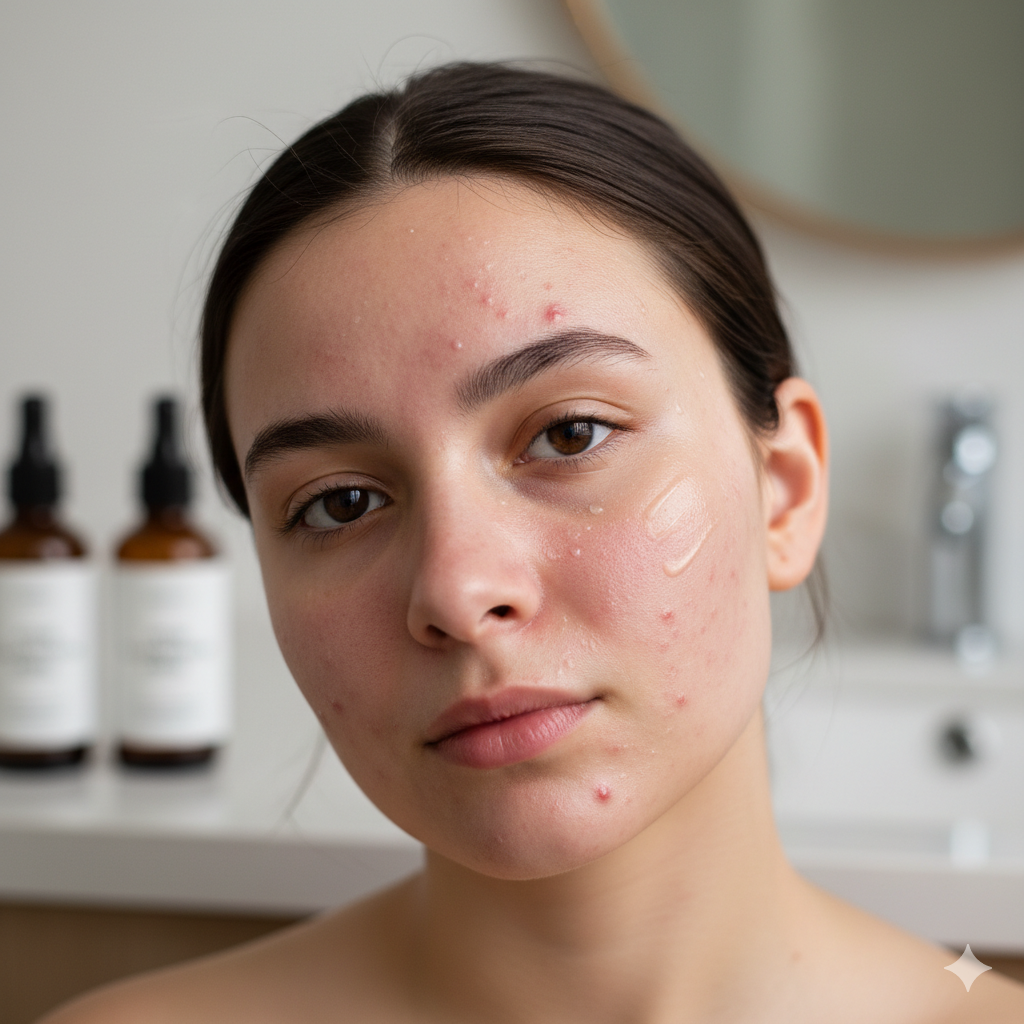
Acne, also known as acne vulgaris, is the most prevalent skin condition. It affects the skin and causes tiny, round, or oval-shaped bumps or lesions known as “pimples.” Acne typically develops due to blockage or clogging of the pores within the skin. These eventually form pimples, whiteheads, and blackheads. Acne bumps appear in the form of clear fluid or pus-filled lesions that can be painful when infected.
Types of Acne
According to research studies, there are several types of acne, namely:
Fungal Acne
-
This acne occurs due to an abnormal yeast buildup in your skin pores or hair follicles.
-
The pimples are usually red, itchy, and inflamed.
Cystic Acne
-
These are deep, pus-filled, painful pimples or lesions resulting in ugly scars.
Hormonal Acne
-
These are breakouts that affect adults due to hormonal fluctuations leading to sebum production.
-
Excess sebum clogs your skin pores, resulting in red, inflamed, and painful sores.
Nodular Acne
-
This severe form of acne forms pimples on your skin surface and tender nodules under your skin.
Unleashing The Potential Causes of Acne
Abnormal clogging of the pores in your skin due to excess sebum (an oily substance produced by the sebaceous glands), bacterial infiltration, or dead skin cells leads to the formation of acne. This triggers an inflammatory reaction in your body, causing swelling, redness, and pain around a pimple. Read on to learn the other potential causes that trigger acne or worsen a breakout. These include:
-
Hormonal imbalance in women is seen during puberty or pregnancy, while in men, it occurs due to excess androgen (male sex hormone)
-
Environmental factors like increased humidity, air pollution, and dust
-
Using harmful and oily skin products
-
Emotional stress increases the hormone cortical levels.
-
Excess intake of sugary foods, skim milk, and whey protein
-
As an allergic reaction to certain medications
-
Wearing tight-fitting headgear like helmets
Understanding The Symptoms of Acne
Signs and symptoms of acne depend on the type and severity of the condition. These include:
-
A raised, white, or flesh-colored blemish (whiteheads)
-
A black speck of dirt and debris (blackheads)
-
Tiny bumps with clear or pus-filled pimples
-
The skin around the pimple appears red and inflamed
-
A prominent red, inflamed nodule that is sore and tender
-
Infected or untreated acne can leave scars and pigmentation on the affected skin surface
-
Flat dark spots on the skin surface (hyperpigmentation) that may appear pink, red, or brown
Effective Treatment Options for Acne
Acne can be treated in several ways depending on your age, type, and severity of acne. Your dermatologist (a doctor specializing in the diagnosis and treatment of conditions related to skin, hair, and nails) may recommend any one of the following treatment options:
Medications
Topical
These are rubbed directly onto your affected skin for mild acne. These include:
Benzoyl Peroxide
-
This prescription drug helps eliminate bacteria that aggravate acne.
-
It is available in the form of gel or facewash.
Salicylic Acid
-
This acid helps dissolve the dead skin to prevent your pores from clogging.
-
Salicylic acid is available as cleansers or lotions to remove the superficial layer of your skin.
Retinoids
-
Retinoids contain retinoic acid or tretinoin and are available as creams, gels, and lotions.
-
Retinoids work by unclogging the pores and reducing acne breakouts.
Azelaic Acid
-
Azelaic acid has antibacterial properties to eliminate acne-causing bacteria.
-
It is available in the form of gels and creams.
Dapsone
-
Dapsone is an antibacterial gel that eliminates bacteria.
Oral
These are used in moderate to severe forms of acne taken orally. These include the following:
Antibiotics
-
Tetracycline is the most preferred oral antibiotic for acne.
-
However, these are contraindicated in pregnant women and children below eight years.
Anti-androgen Drugs
These oral medications block the action of androgen hormone e on oil-producing glands.
Oral Contraceptives
-
This is an FDA-approved acne treatment that combines progesterone (a natural steroid that regulates your periods) with estrogen (a female sex hormone).
-
These aim to improve the hormonal imbalance that triggers acne.
Isotretinoin
-
It is a Vitamin A derivative and is prescribed when other treatments fail.
-
Isotretinoin is an oral retinoid used to treat moderate to severe acne by shrinking the size of the oil glands, which contribute to acne formation.
Acne Therapies
These treatments are adopted when the above options fail. These include:
Laser Therapy
-
Laser beams of different wavelengths are targeted on the acne-affected skin.
-
The light energy converts to heat energy, heating the scarred collagen under your skin.
-
This stimulates the production of new and healthy collagen as your body's natural healing response.
Chemical Peels
This procedure involves repeated application of chemical solutions like salicylic acid, glycolic, or retinoic acid that removes the superficial (top) layer of your old and damaged skin.
Steroid Injections
Steroid injections are used to treat cystic and nodular acne, which reduces inflammation.
Takeaway
Though acne is a common skin condition, it can have a severe psychological impact on your life. Severe forms of acne can be daunting since they cause permanent skin damage, leaving scars on your skin. These hamper your self-confidence and may cause anxiety and depression. A dermatologist can effectively treat your acne through topical medications (in the form of creams, gels, lotions, and cleansers), oral medications (antibiotics, oral contraceptives, anti-androgen agents), or acne therapies (lasers, chemical peels, steroid injections).
If you are suffering from acne or acne scars, seek help from a dermatologist so they can determine the best treatment option(s) for you.
References
Medical Disclaimer
The information provided in this article is for educational and informational purposes only. It is not intended as medical advice and should not be used to diagnose, treat, cure, or prevent any medical condition. Always consult with a qualified healthcare professional before making decisions about your health or treatment.